On-device AI for phones, wearables and IoT

The fastest cloud is the one you don't need.

On-device AI is faster, cheaper to run and more private than any cloud solution, when it is built right. We transfer what we have proven in our own products in everyday use to your devices and use cases: object detection, segmentation, pose, audio and motion detection.

Fig. 06 — Edge AI & IoT
iOS, Android, watchOS, edge
4platforms
required for the core function
0cloud
automated in Pevu alone
900+tests

06.1 — For partners

Edge AI & IoT

01

Privacy as architecture

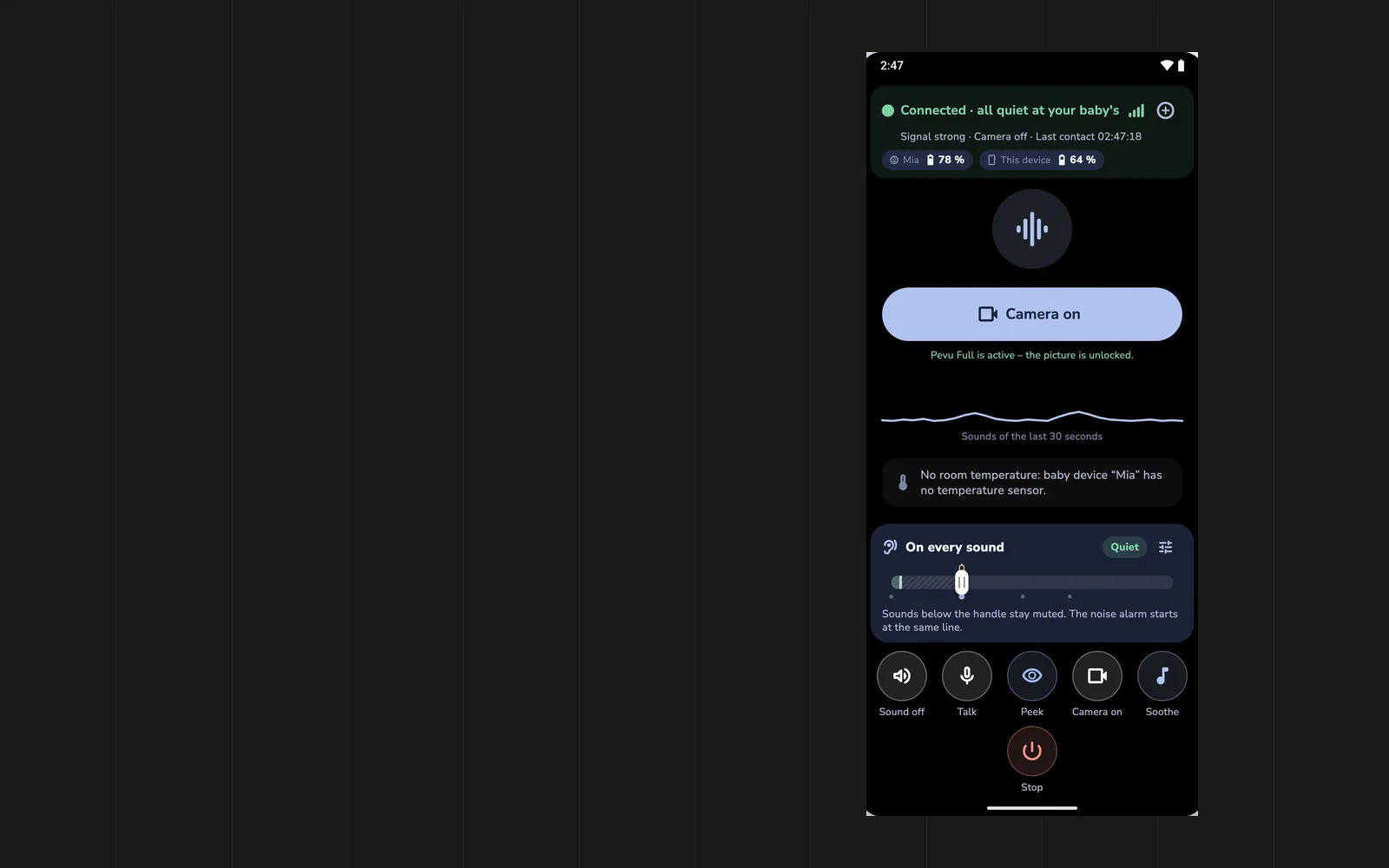
In Pevu, video and sound never leave your own WiFi. Noise and motion detection run on the baby unit, encrypted with DTLS and SRTP, without servers and without accounts. We build the same principle into client products where privacy is a prerequisite.

02

Real time without a network

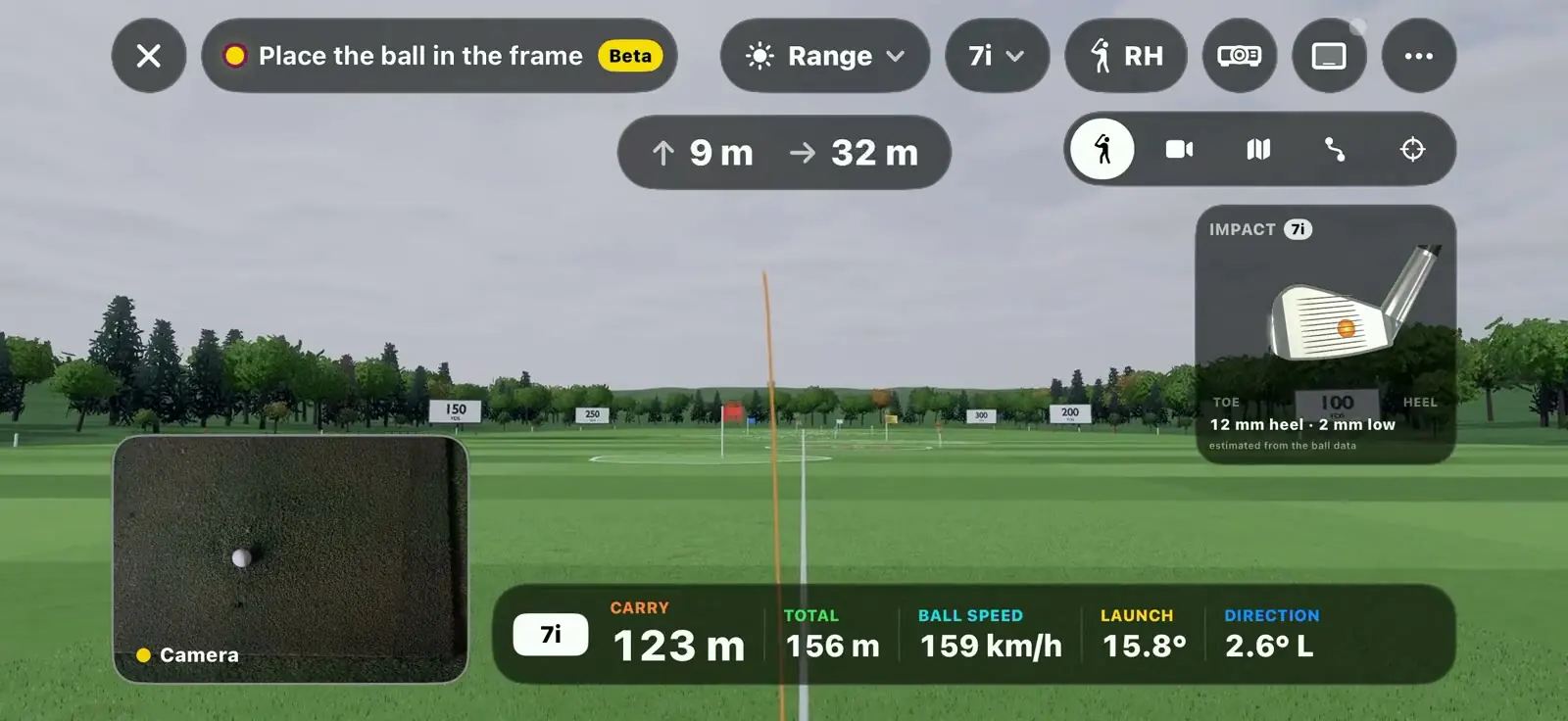
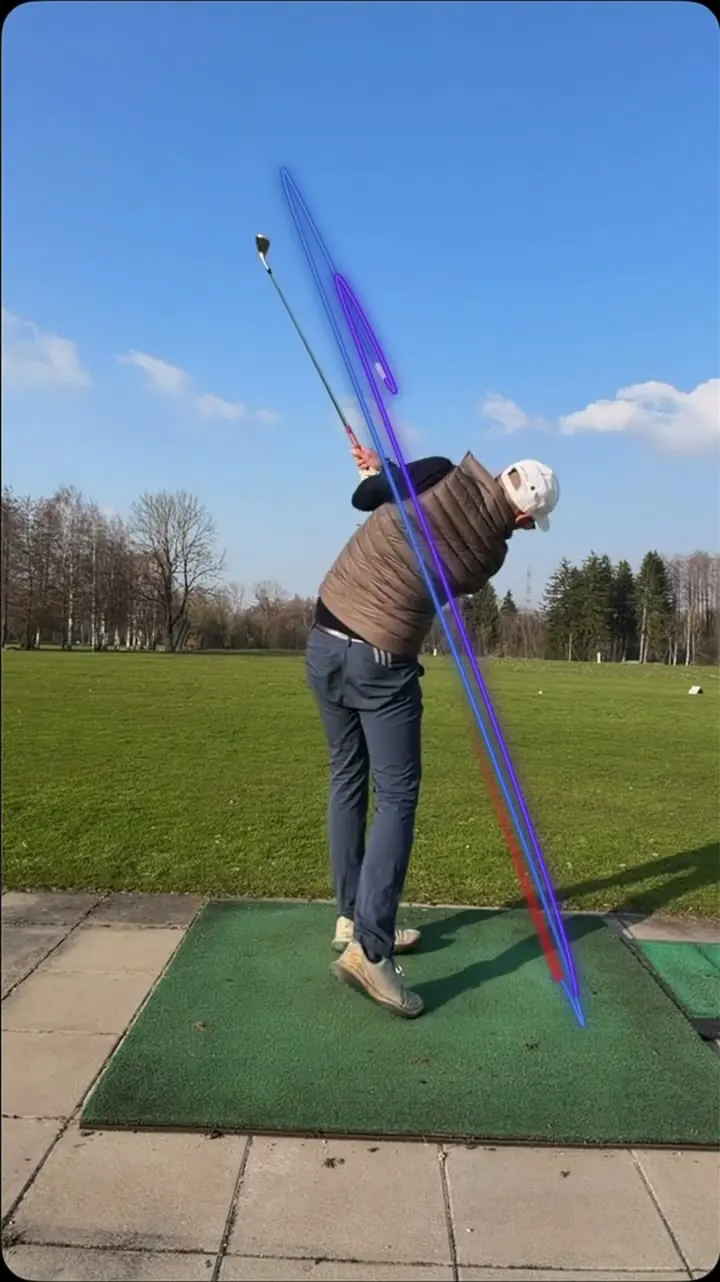
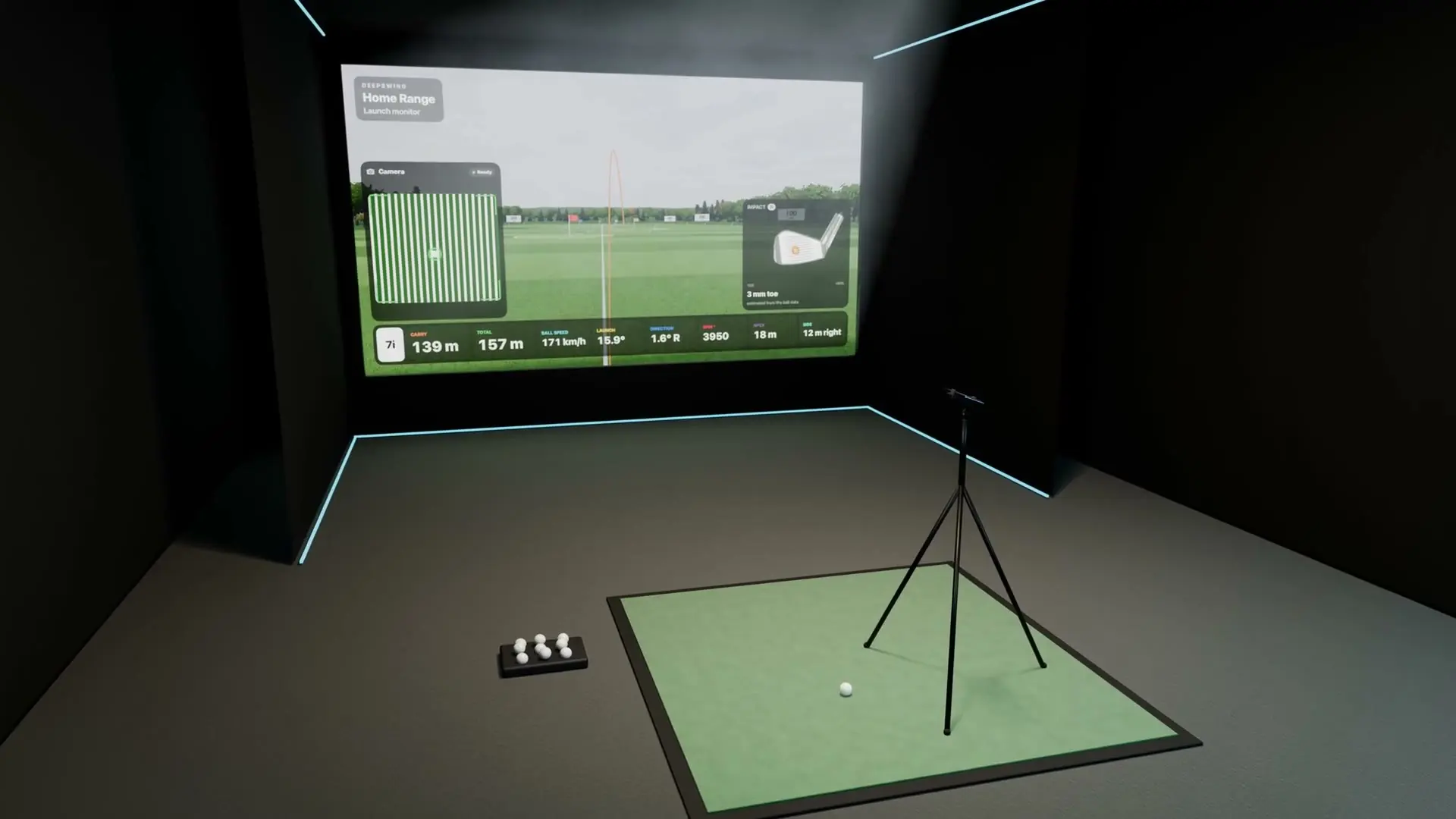
Computing on the device means no latency to a data centre, no cost per request and no outage when reception is poor. DeepSwing measures shots at 240 frames per second, on the range as well as in the basement.

03

From prototype to store

We don't just deliver models but finished products: apps for iOS, Android and watchOS that pass App Store and Google Play review, with tests, telemetry without tracking and a release process.
06.2 — Capabilities

What it does.

In use in our products, every day, on real devices.

  1. 01

    Object detection

    Find small, fast objects in real time, like the ball and the club head.

  2. 02

    Segmentation

    Classify surfaces pixel by pixel, like fairways and greens in aerial images.

  3. 03

    Pose and motion

    Joints, angles and motion phases of people.

  4. 04

    Audio and motion

    Noise and motion detection on the device, as in the Pevu baby monitor.

  5. 05

    iOS, Android, watchOS

    Core ML and the Neural Engine, LiteRT and the NPU, down to the wrist.

  6. 06

    Offline

    Works without a network, in the basement and on the golf course.

  7. 07

    Privacy

    Images and sound don't have to leave the device for the core function.

  8. 08

    All the way to the store

    Finished apps with tests, releases and store review.

06.3 — How it works

How it works

  1. 01

    Use case & data

    Goal, accuracy, data situation, open sources.

  2. 02

    Training

    Detection, segmentation, pose or signal.

  3. 03

    Optimisation

    Core ML, LiteRT, quantisation, Neural Engine.

  4. 04

    Product

    Integration, measurement against a reference, release.

06.5 — FAQ

Frequently asked questions

Which industries do you build on-device AI for?

Sports and fitness, health and movement, industrial inspection, agriculture and geodata, and smart home and IoT. Anywhere cameras or sensors need to recognise something in real time.

Do you work with existing data?

Yes. We use existing datasets, open sources as teachers as with the course AI, and capture missing data ourselves where needed.

Which hardware does the AI run on?

On iPhone and iPad via Core ML and the Neural Engine, on Android via LiteRT and the NPU, on Apple Watch, and on edge boards with their own acceleration.

Contact

What should your camera recognise?

Object detection, body tracking, segmentation or cartography, on your device, in real time. Let's talk about it.